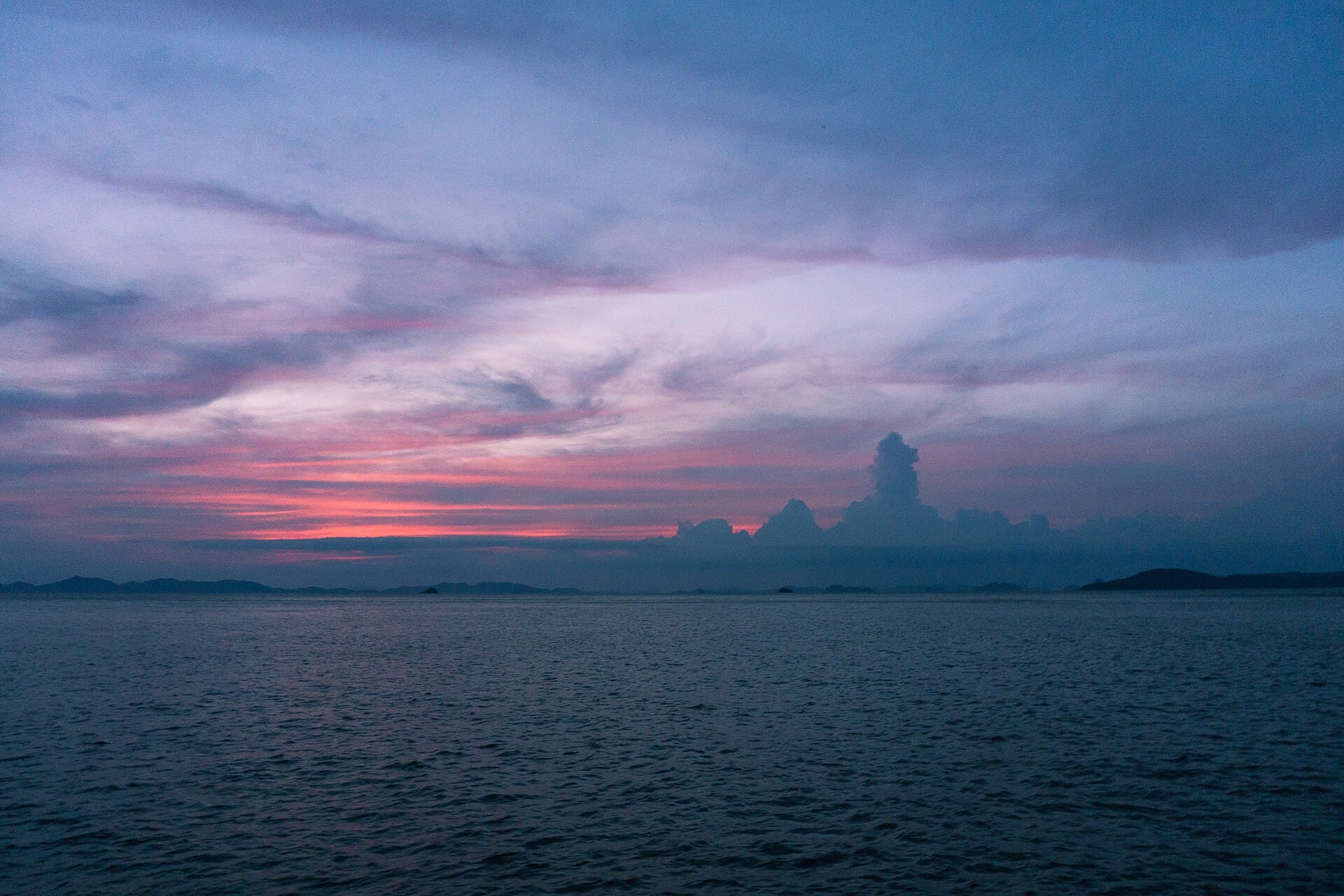
The sea takes its name from the Andaman Islands, a long chain on its western edge that belongs to India, roughly 1,200 km from the Indian mainland and considerably closer to Myanmar and Thailand. Only a small part of the territory is open to visitors; much of the rest is protected tribal reserve, strictly off limits.
A typical trip takes in three islands: South Andaman, with the capital Port Blair (officially renamed Sri Vijaya Puram in 2024); Havelock, officially Swaraj Dweep, for beaches and diving; and smaller, sleepier Neil, officially Shaheed Dweep. The old names are still widely used.
Top things to do: Andaman Islands (India)
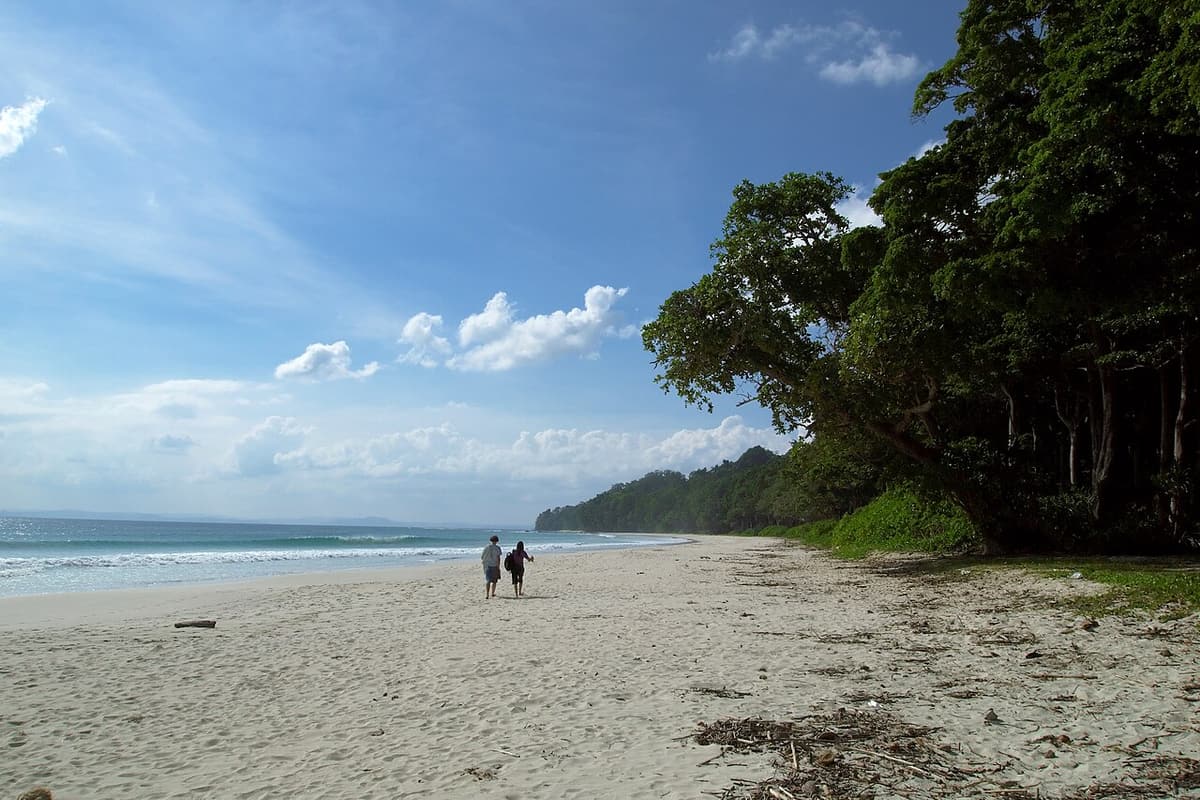
Radhanagar Beach, Havelock
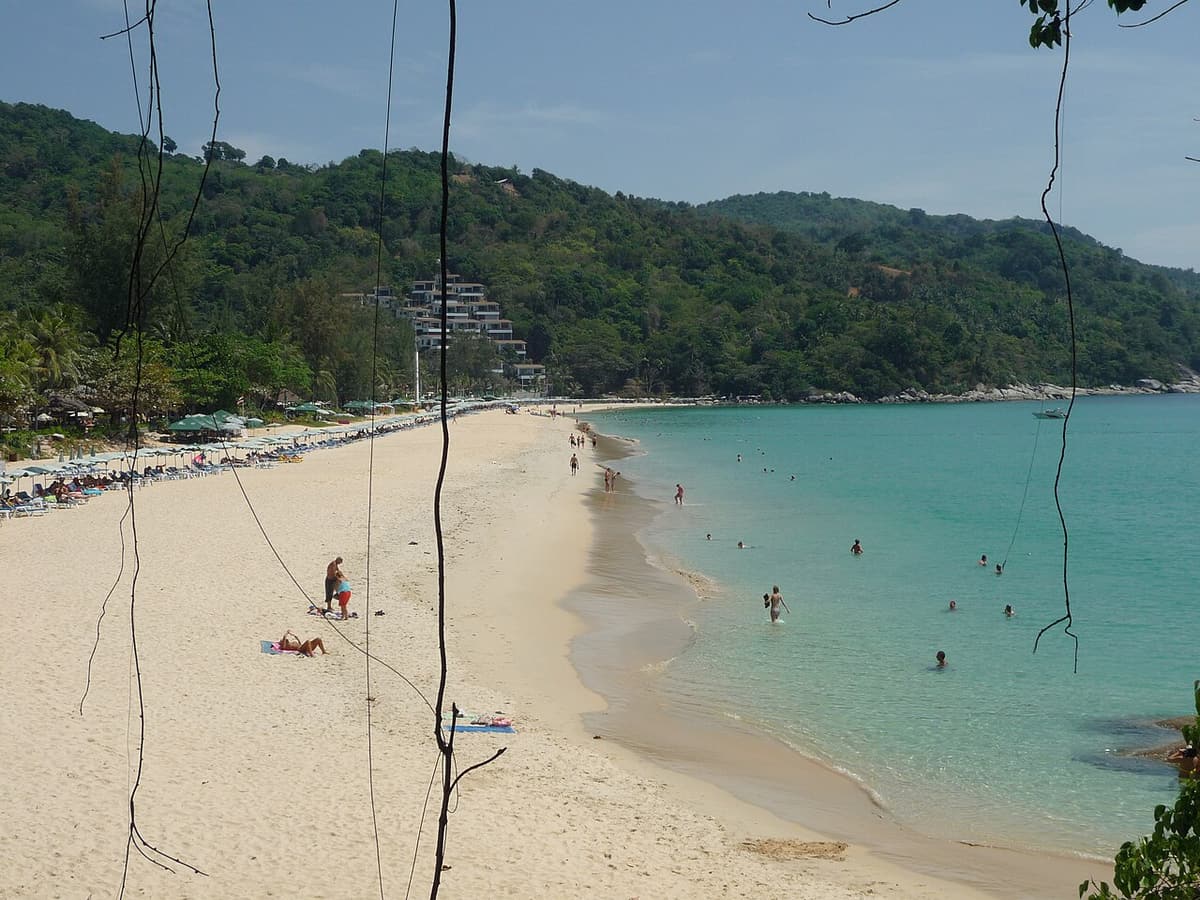
Also called Beach No. 7: a broad arc of pale sand backed by tall rainforest trees, facing the sunset, and regularly named among Asia’s best beaches.
Elephant Beach and diving
Elephant Beach, reached by boat or a forest walk, is Havelock’s main snorkelling spot. Dive centres on the island run trips to nearby reefs and offer beginner courses.
Cellular Jail, Port Blair
The colonial prison where the British held Indian political prisoners is now a national memorial, with an evening sound-and-light show. Ross Island (Netaji Subhas Chandra Bose Dweep), a short boat ride away, has the overgrown ruins of the British headquarters.
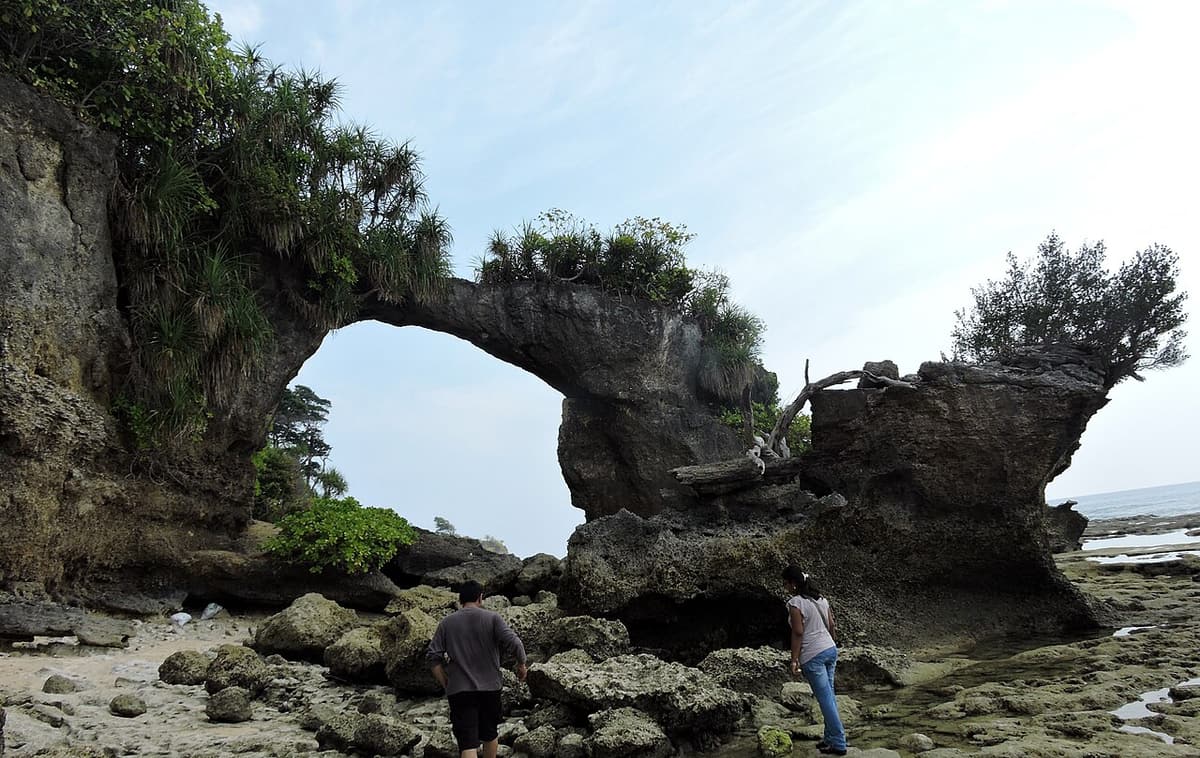
Neil Island
Small enough to cycle around, with the natural rock arch near Laxmanpur, the shallow lagoon of Bharatpur and a slower pace than Havelock.
How to get to Andaman Islands (India)
- By air: flights to Port Blair’s Veer Savarkar International Airport (IXZ) run from Chennai, Kolkata, Bengaluru, Delhi and other Indian cities.
- Between islands: government ferries and faster private catamarans link Port Blair, Havelock and Neil; crossings take roughly 1.5–2.5 hours. Book ahead in peak season.
- There are no passenger boats from Thailand, Myanmar or Malaysia. You need to fly via India.
Insider tips
- Foreign visitors need an Indian visa and are registered on arrival. Permit rules for individual islands have been relaxed in recent years but still apply to some areas — check current requirements.
- The best weather is from about November to April. The islands are hit by both monsoons, and ferries are cancelled in rough seas.
- Mobile data and card payments are less reliable than on the mainland. Carry cash in rupees.
- Tribal reserves are closed by law. Do not join any trip that offers contact with indigenous communities.